
Musicus Practicus
Academy
Learn to Compose Music as if you had lived in the Renaissance or in the Baroque
The Musicus Practicus Philosophy
For centuries, musicians learned their craft through practice, imitation, composition, and improvisation.
Music was not simply something to be analyzed, but a language to be understood and mastered.
At Musicus Practicus Academy, we rediscover these historical methods, helping modern musicians develop the practical skills and musical understanding of the Renaissance and Baroque traditions.
Two Traditions, One Academy
Discover the historical methods that shaped generations of musicians.
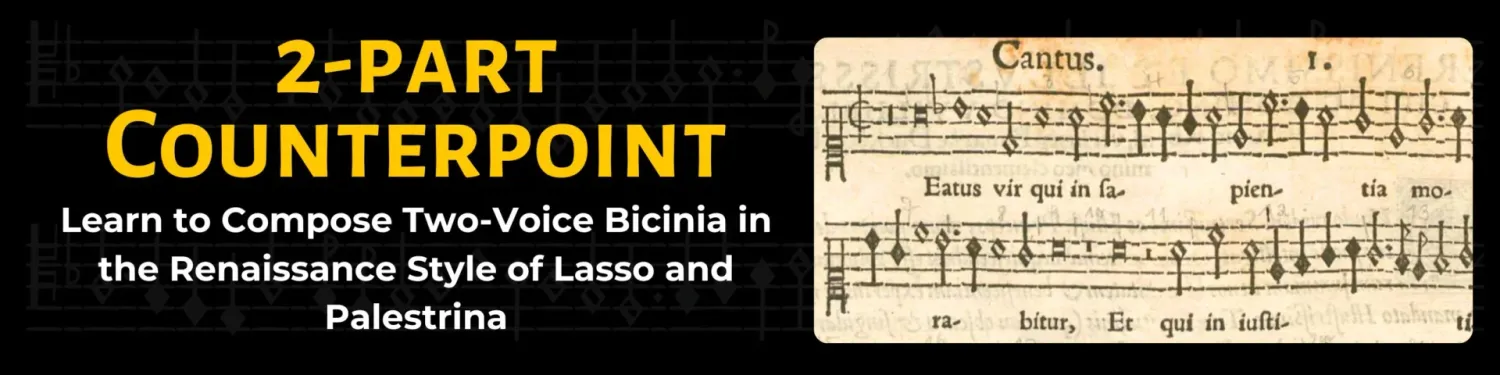
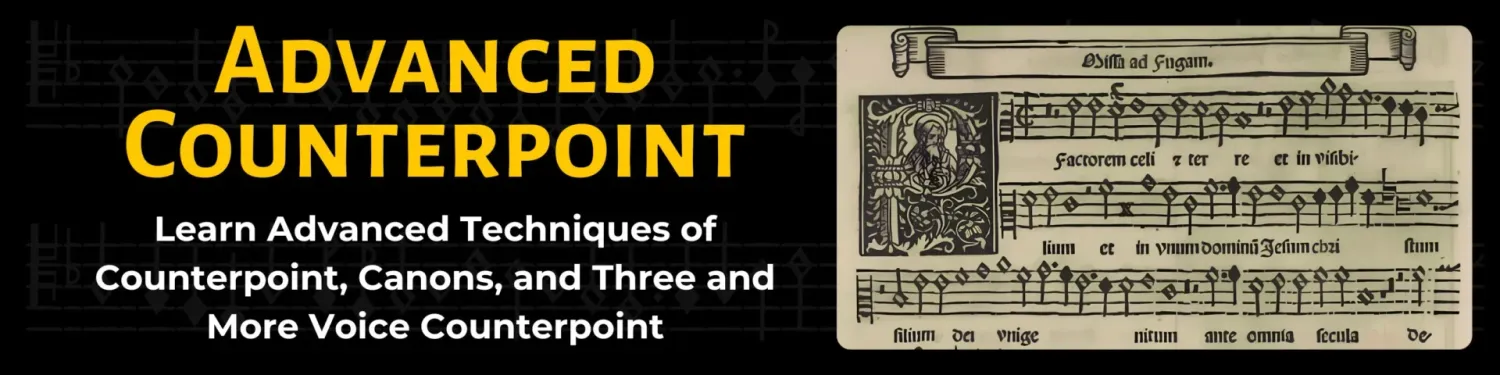
The Renaissance Path
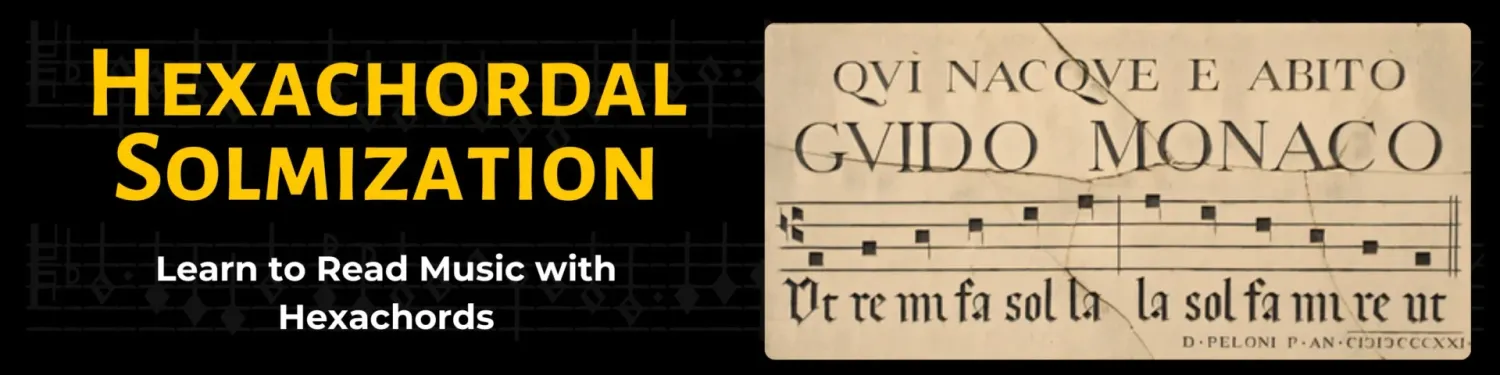
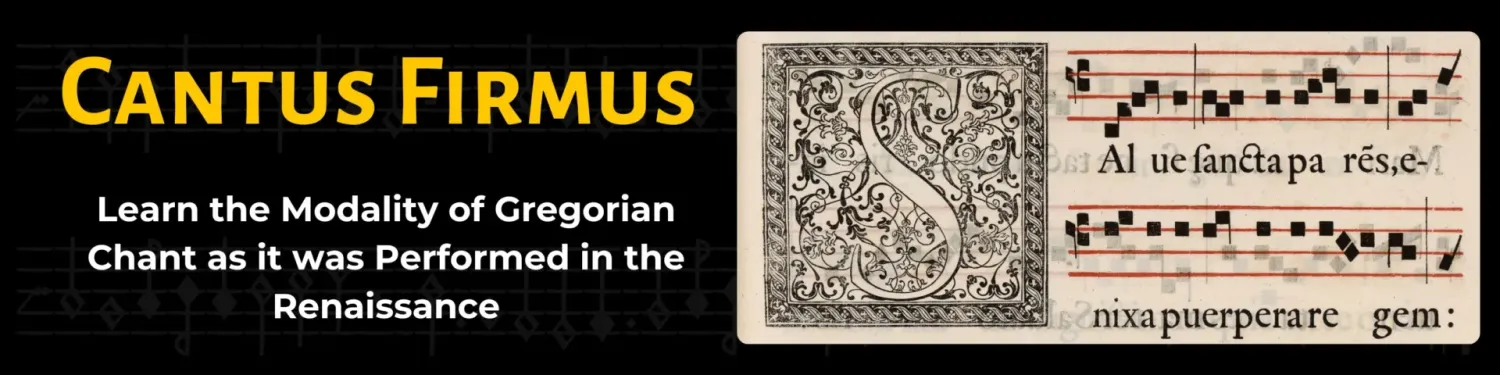
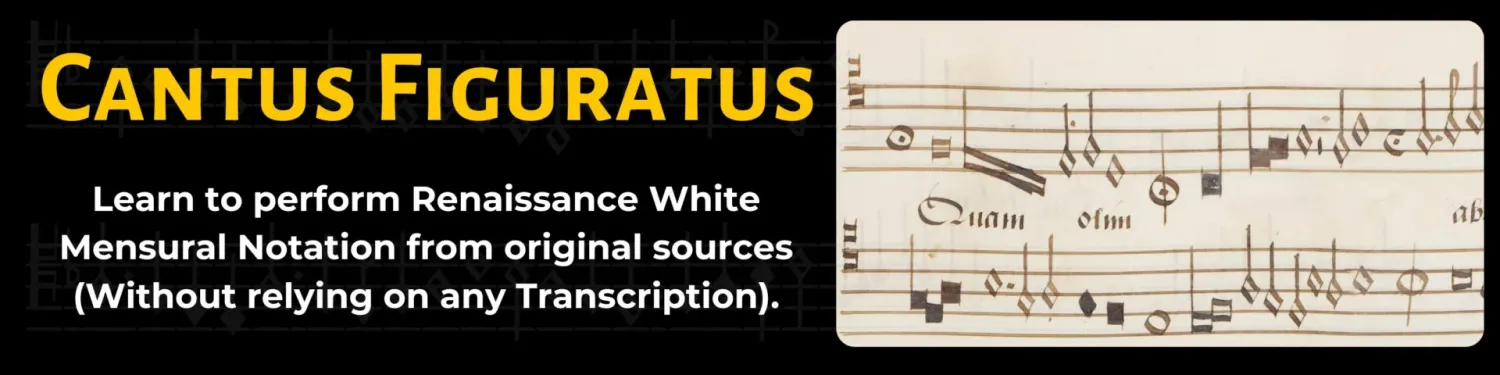
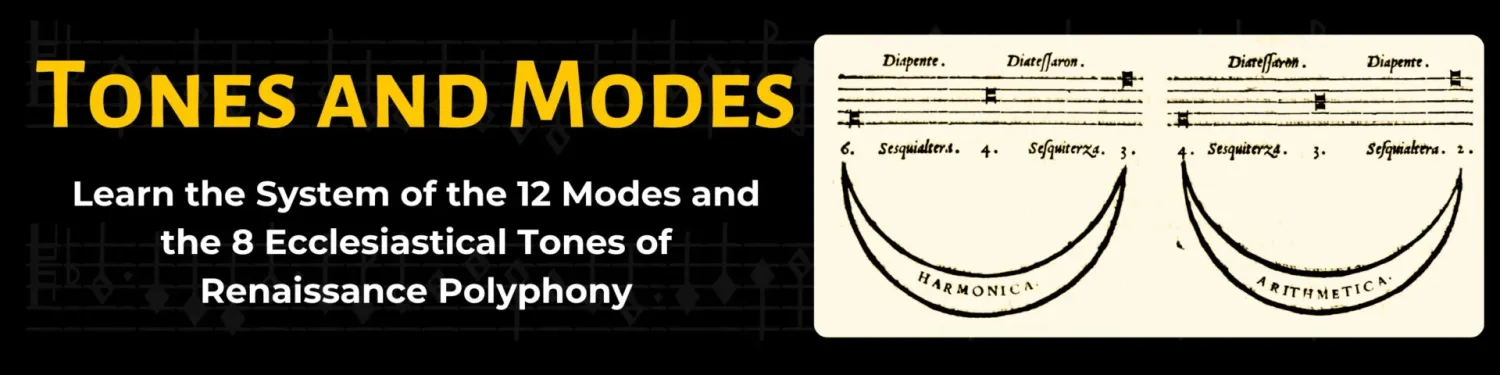
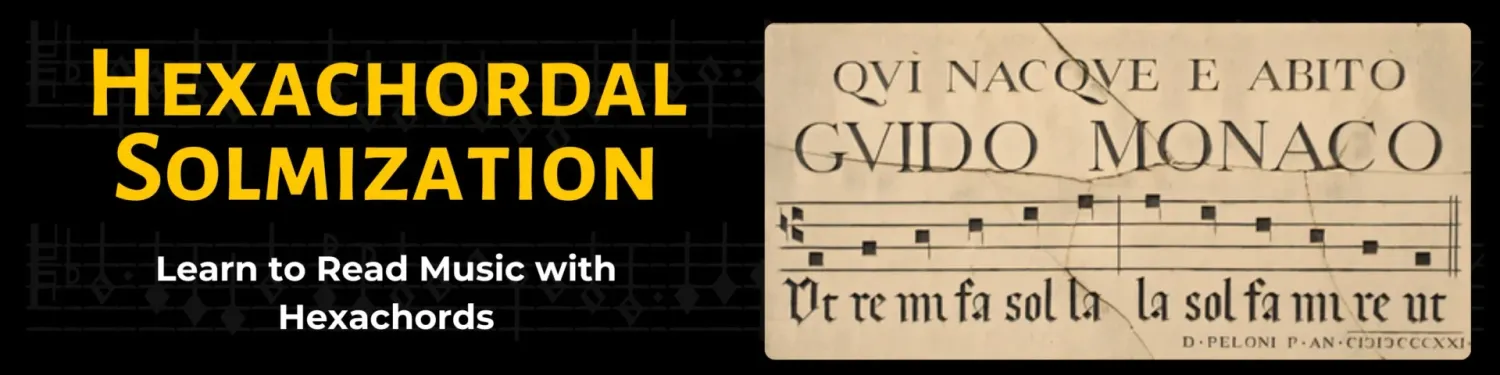
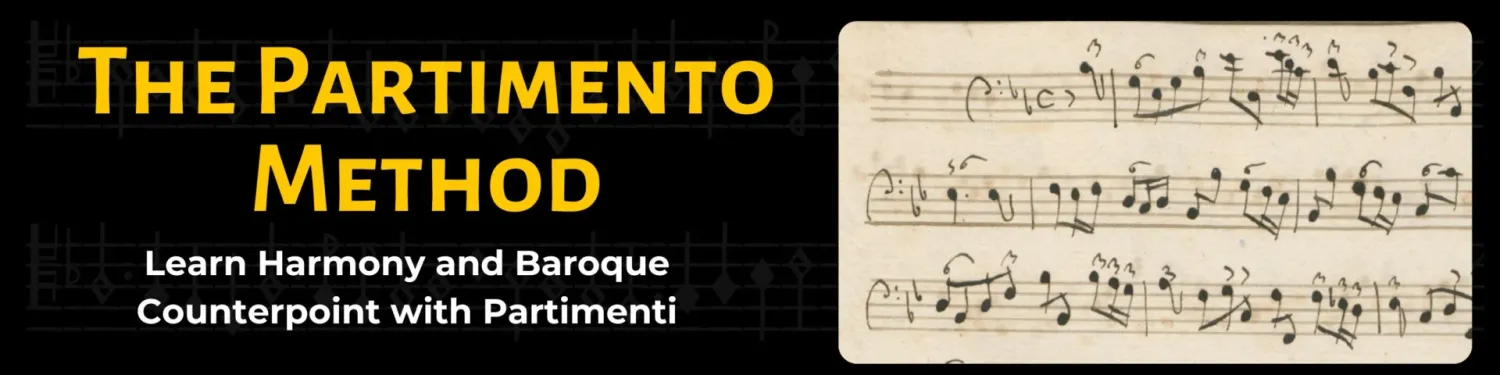
The Baroque Path
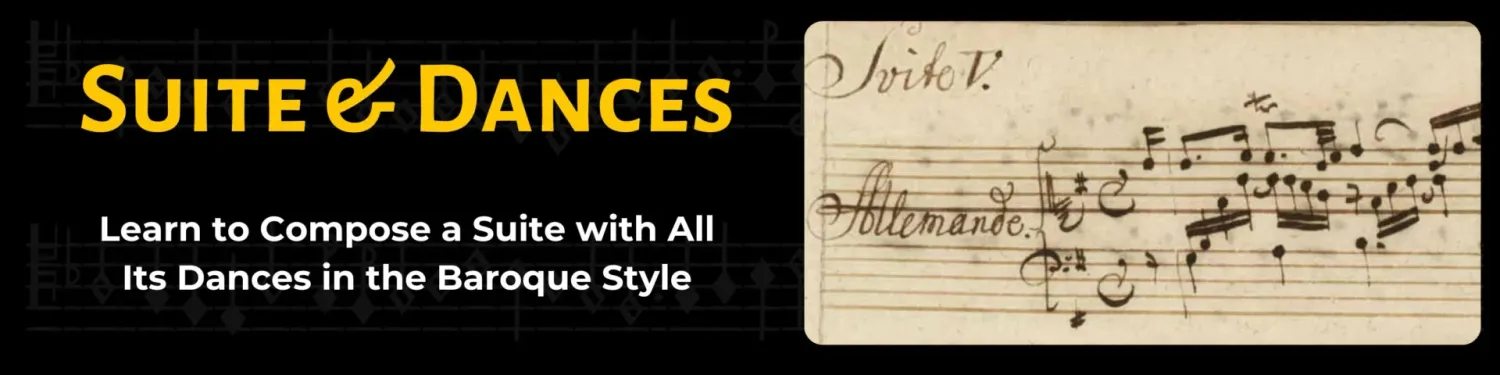
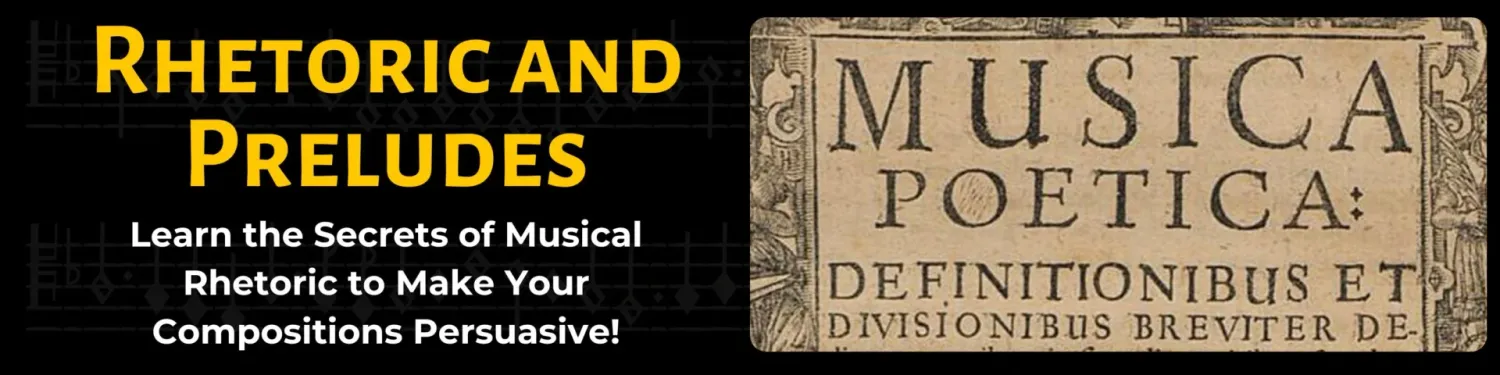
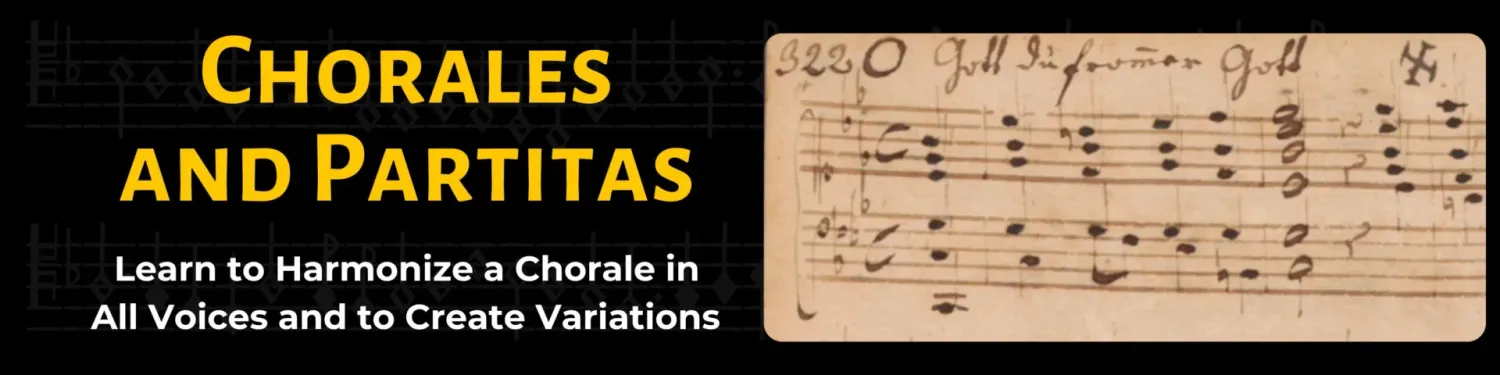
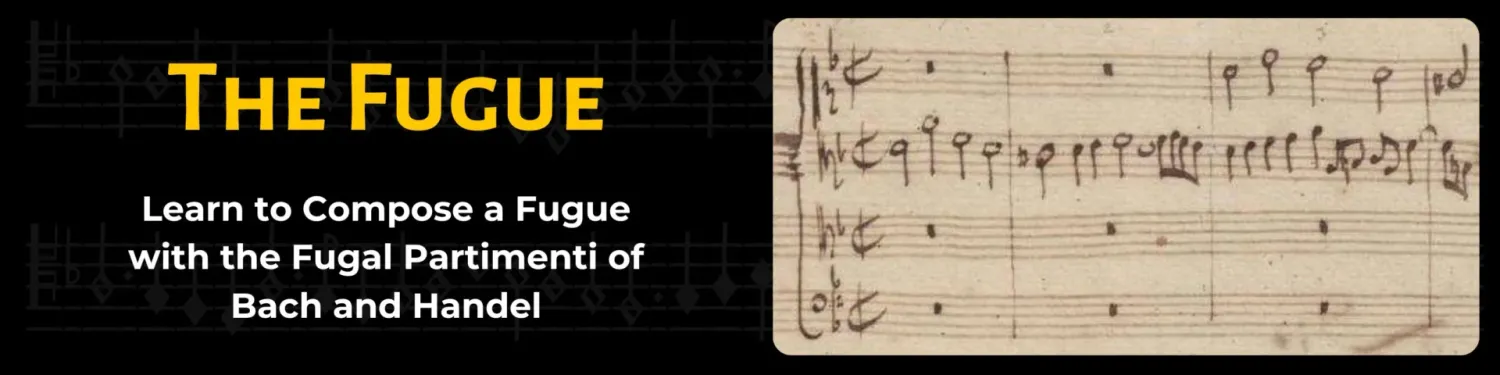
Start Learning for Free!
Create your free Musicus Practicus Academy account and explore the free lessons available in each course. Discover our historical approach to music education, learn at your own pace, and experience the Academy before deciding to take your studies further.
Three Ways to Learn
Choose the learning experience that best suits your goals, interests, and musical journey.
(Or two. Or three. Who's counting?)
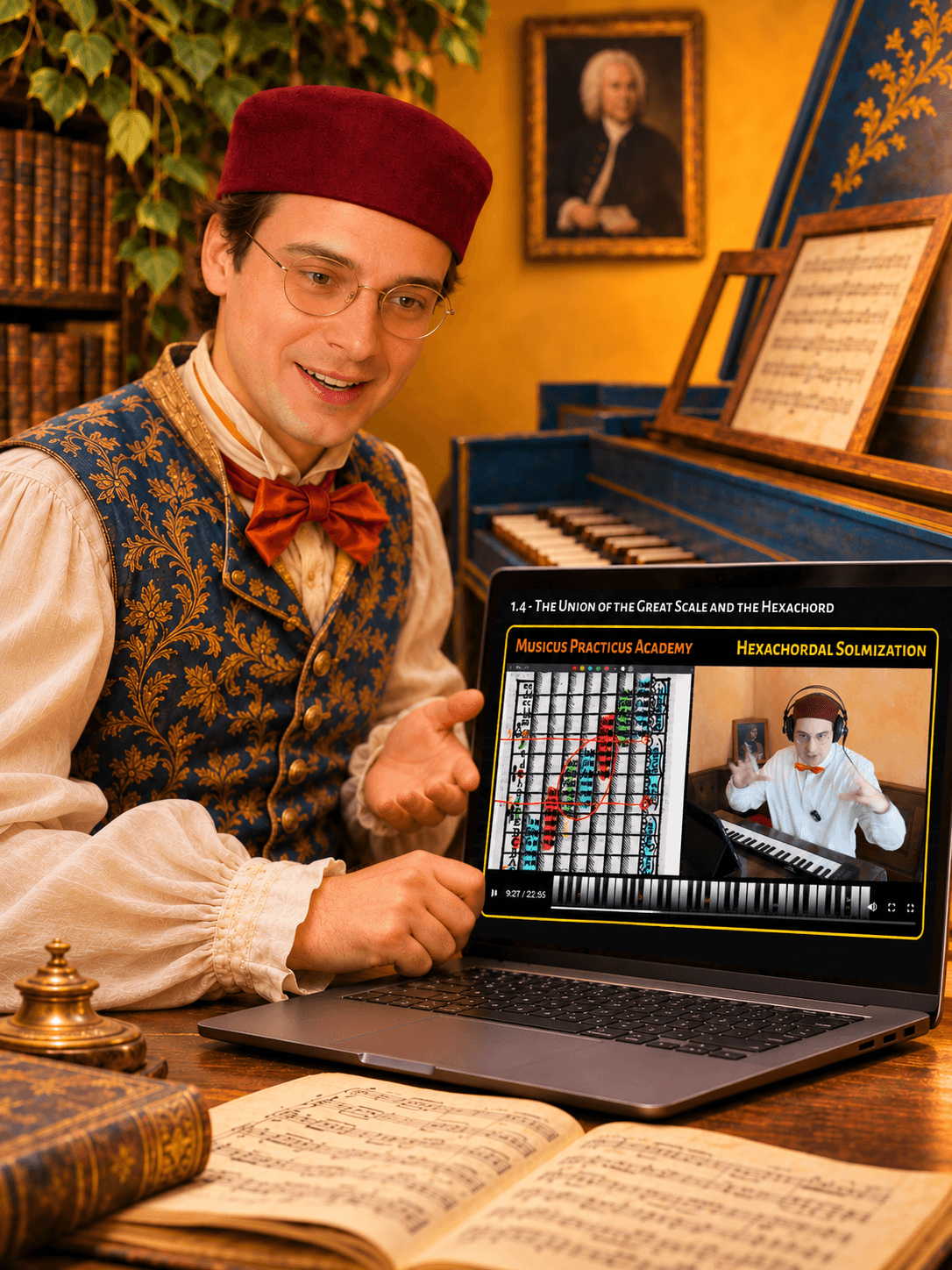


Meet Richardus

Richardus Cochlearius, your Musicus Practicus
Hello! I'm Richardus, a musicus, organist, and teacher passionate about bringing the historical art of composition and improvisation back to life.
I founded Musicus Practicus Academy to help musicians rediscover the practical methods of the Renaissance and Baroque, learning not only to understand the music of the past, but to think, compose, and improvise as its musicians once did.
Through historical sources, practical exercises, and personalized guidance, I aim to make this extraordinary musical heritage accessible to musicians around the world.
Get to Know Me
Experience a Lesson
Discover historical music in practice through excerpts from real one-to-one lessons.
How to Recognize the 8 Modes of Renaissance Polyphony - Renaissance Counterpoint
Renaissance Counterpoint Explained: Imitation, Inversion & Cadences
Bach’s Brandenburg Concerto No. 1: Figured Bass, Form & Counterpoint
BWV 851 From 2 Measures to a Masterpiece: Bach’s Fugue in D minor Explained
Ready to experience personalized historical music education?